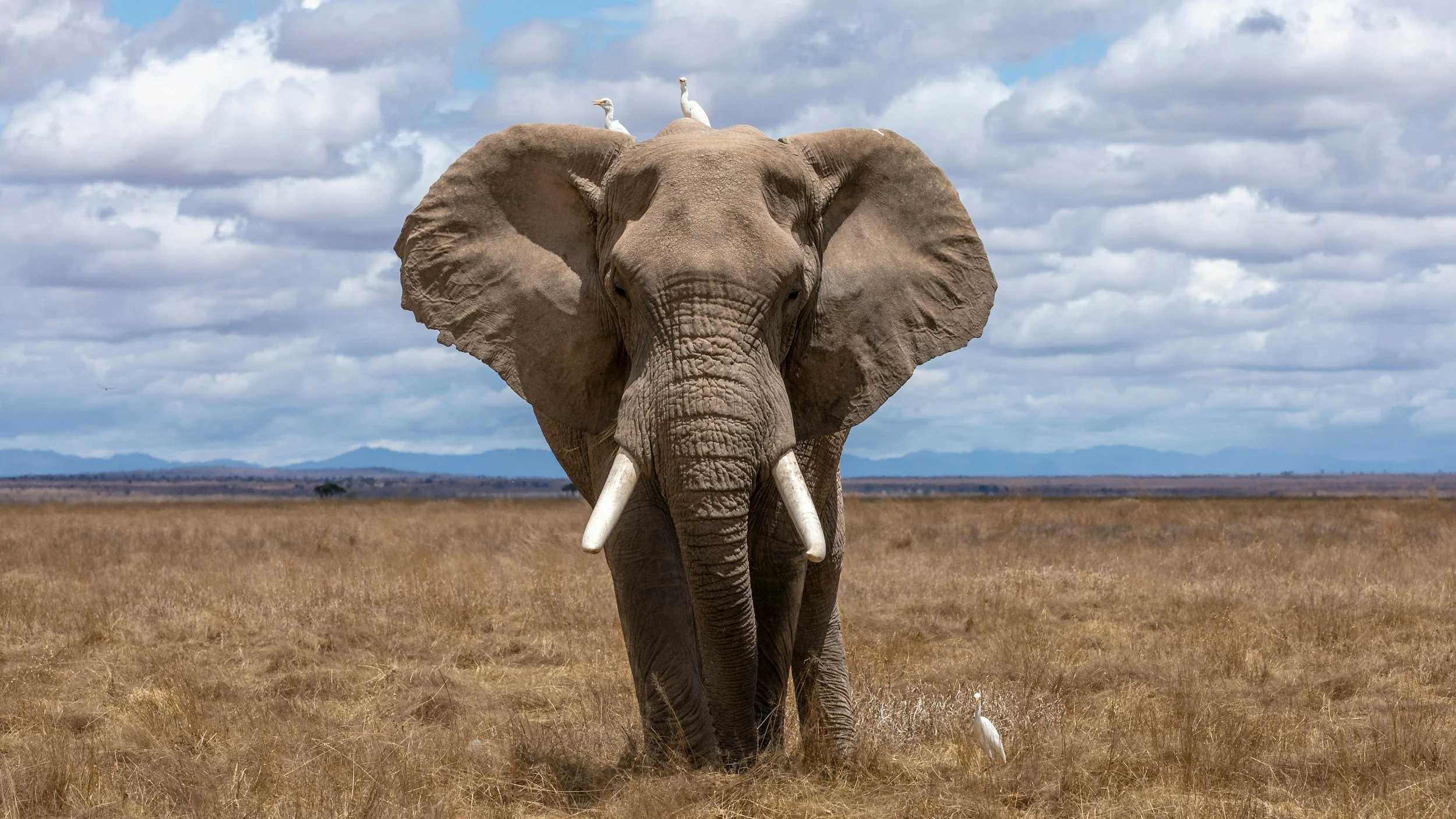
Tonight, the jungle animals rule the roost!
The Safari Booklist is a curated set of animal stories, sorted into three reading stages. Big covers, in colour — because it isn't for you to read. It's for a child to point at.
Start here if you came from the video
Fifteen minutes a night. That's the whole ask. This page has everything mentioned in the video, in the order it was mentioned.
Connection, not comprehension.
Why a safari theme works for little readers
Ask a three-year-old to sit still for a story and you get a negotiation. Ask if they want to hear about a lion who won't go to sleep, and you get a yes. Animals are the shortcut. Safari books for preschoolers work because the characters are big, loud and easy to copy — a giraffe you can stretch for, an elephant you can stomp like.
Jungle animal reading activities give the story somewhere to go once the book is closed. Paw prints across a page. A den made of blankets, read in by torchlight. A zoo sign taped to a bedroom door. Nothing looks like a reading exercise, and all of it is one.
The Great Safari Quest gathers it into one printable pack for ages 3 to 9 — safari booklists by reading stage, ten together-time activities, and an adventure map your child fills with stickers.

Which reading stage is your child on?
A general guide, not an exact measure. Children reach reading milestones at different times.
Little seeds, big beginnings. Sprouts fall in love with books through simple stories, silly rhymes, and lots of hands-on play.
AGES 3-4 | PRESCHOOL
Reading Sprouts
AGES 5-6 | KINDERGARTEN
Reading Explorers
Curious little adventurers. So many questions. Explorers discover the world through playful stories that spark their imagination.
AGES 7-9 | EARLY READERS
Reading Adventurers
Finding their own way. Reading on their own now, building confidence and unlocking brand-new worlds in every book.
Three shifts that change how reading feels
A general guide, not an exact measure. Children reach reading milestones at different times.
Give a small, curated set — not the whole library. The second a five-year-old points and says that one, it stops being your assignment.
1
Let them choose
2
Then talk. Ten minutes.
Not a quiz. Ask things with no right answer. When they ask something you can't answer, don't answer it — look it up together tomorrow.
3
Then play it out.
A book shouldn't end when you close it. Ten minutes, almost nothing you don't already own — and a sticker on the map when you're done.
THE PRINTABLE KITS
When the booklist runs out, this is what’s next.
Print once, keep the folder, use it with any animal book. No subscription, nothing to cancel.